Digital Marketing Strategy
How to Choose the Right Digital Marketing Agency for Your Business
Most bad agency relationships aren't the result of bad work — they're the result of a mismatch that was visible before the contract was signed. Here's how to catch it early.
The short answer
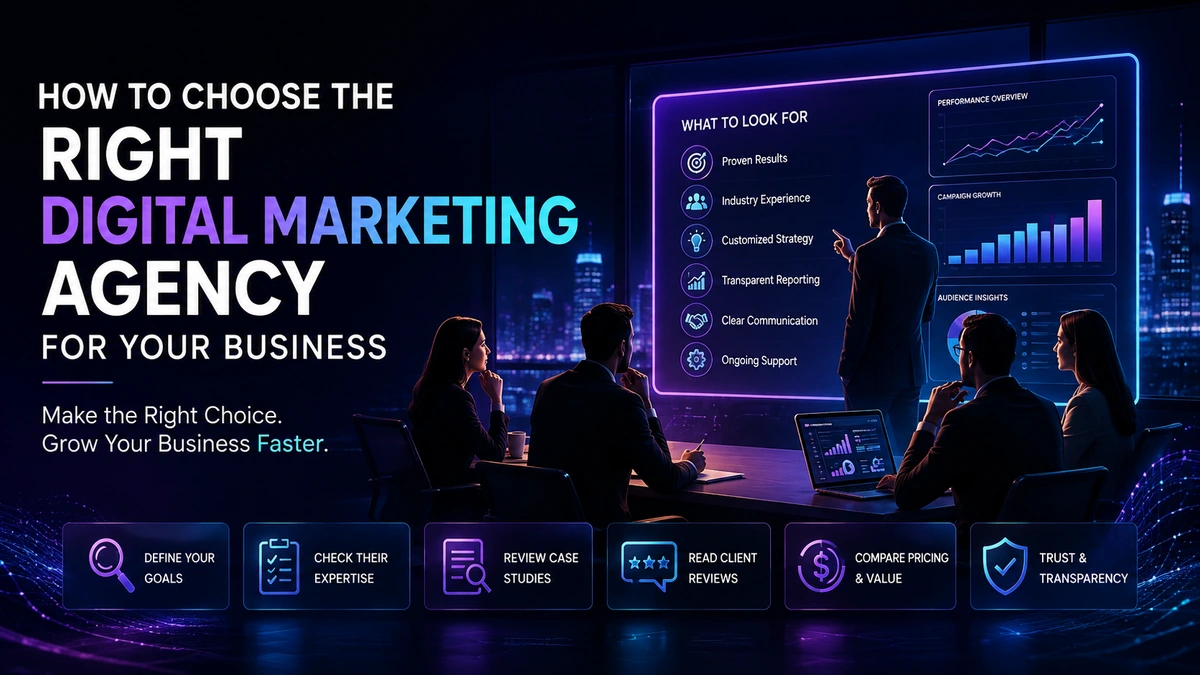
The agencies that work out well are rarely the ones with the flashiest pitch — they’re the ones whose process, reporting, and contract terms hold up to scrutiny before you sign anything. That means going in with specific questions, knowing what a red flag actually looks like, and understanding which contract terms protect you if the relationship doesn’t work out.
This guide walks through exactly what to check, in the order it usually matters.
Start by defining what you actually need
Before evaluating any agency, get clear on your own situation — this single step prevents most bad-fit hires:
- What’s the actual goal? More leads, more revenue, more brand visibility, and a better website are four different projects, even though they sound related.
- Which channels does that goal actually require? Not every business needs SEO, paid media, content, and social running simultaneously — see our guide on SEO vs. Google Ads if you’re specifically weighing organic against paid first.
- What’s a realistic budget? Walking into agency conversations with a rough number (see our digital marketing cost guide if you need a benchmark) makes it much easier to tell whether a proposal is reasonable or inflated.
- How involved do you want to be? Some businesses want a strategic partner they check in with monthly; others want to stay closely involved in every decision. Be honest about which one you are — it affects which agency size and style will actually fit.
Questions to ask every agency you’re evaluating
These questions tend to separate agencies that know what they’re doing from ones that are still figuring it out:
- “How would you approach our specific goal?” Vague answers about “boosting visibility” or “driving engagement” are a signal they haven’t actually thought about your situation yet.
- “Can I see a case study with real numbers, over a specific time period?” Ask what changed, over what timeframe, and how it was measured — not just a headline percentage.
- “What KPIs will you commit to, and how do they connect to revenue?” Traffic and impressions are easy to move. Leads, qualified pipeline, and revenue are harder — and more honest.
- “What does reporting look like, and how often?” You should know exactly what a monthly report will contain before you sign anything, not discover it in month one.
- “Do we own our accounts, assets, and data?” This should be an unambiguous yes. More on why below.
- “Who specifically will be working on our account?” Some agencies pitch with senior staff and then hand day-to-day work to whoever’s available. Ask who you’ll actually be talking to.
- “What does your onboarding process look like?” A team that can’t clearly describe their first 30 days probably doesn’t have a repeatable one.
- “How is content produced — and how do you handle quality and originality?” If content is part of the engagement, ask directly about their process, especially given how central Google’s guidance on creating people-first, trustworthy content has become to what actually ranks.
Red flags that should make you pause
- Guaranteed rankings or guaranteed revenue. Neither is fully within an agency’s control — a guarantee here is either naive or dishonest.
- Vanity metrics as the headline result. Impressions and “reach” are easy to inflate and rarely translate directly into revenue. Ask what happened to leads, qualified traffic, or sales.
- Reluctance to give you account access. You should have admin-level access to your own ad accounts and analytics from day one.
- Long lock-in contracts before you’ve seen any work. Be especially cautious of a 12-month commitment offered before a shorter trial period.
- Deliverables that are hard to pin down. “We’ll improve your online presence” isn’t a deliverable. A real proposal names specific outputs, cadence, and how success will be measured.
- No clear answer on how success is measured. If an agency struggles to explain how they’ll know the work is succeeding, that gap will show up later as unclear reporting.
How to evaluate case studies honestly
A strong case study includes four things: the starting point, what was actually done, the specific result, and the timeframe it happened over. If any of those four is missing — especially the timeframe — treat the number with some skepticism. A 200% increase sounds impressive until you learn it was measured against an unusually low starting point, or that it took three years to get there.
It’s also worth checking whether the case study’s industry and scope resemble your own. Strong results in an unrelated category with a totally different budget don’t tell you much about what to expect for your business.
Contract terms that actually matter
Beyond price, a handful of contract details make a bigger difference than most business owners expect:
- Ownership of accounts and assets. Your business should retain ownership of ad accounts, analytics properties, and any creative work you’ve paid for — full stop.
- Contract length and exit terms. A shorter initial term, or clear performance-based exit clauses in a longer one, protects you if the fit isn’t right.
- What counts as “in scope.” Clarify what triggers additional charges versus what’s included, especially for revisions and ad hoc requests.
- Notice period. Know exactly how much notice either side needs to give to end the engagement, and what happens to ongoing campaigns during that window.
Specialist agency vs. full-service agency
Neither is automatically the better choice — it depends on your situation:
- A specialist agency (SEO-only, or paid media-only) tends to go deeper on that one channel, which is valuable if you already know which channel matters most right now.
- A full-service agency reduces the coordination overhead of managing multiple vendors, and can be more effective when channels genuinely need to work together — but only if each channel they offer is a real strength, not an upsell tacked onto their core service.
If you’re not sure which channel should come first, that’s worth resolving before comparing agencies at all — the right agency profile often depends on that answer.
Agency, freelancer, or in-house — which fits your stage?
Before comparing specific agencies, it’s worth confirming an agency is even the right structure:
- A freelancer or small independent consultant can work well for a narrow, well-defined scope, or when budget is tight and you’re comfortable managing the coordination yourself. The tradeoff is limited bandwidth and no backup if that one person is unavailable.
- An agency makes sense once you need multiple channels working together, more consistent capacity, or a team with built-in redundancy and specialization. This is also usually the point where formal reporting and process start to matter more.
- An in-house hire tends to make sense once marketing has become a large, ongoing part of the budget and you need someone deeply embedded in the business day to day — though a single in-house hire rarely covers the same range of specialized skills an agency team can.
Many growing businesses actually use a hybrid: an in-house marketing lead who manages strategy and coordinates one or two specialist agencies for execution. There’s no universally “right” structure — the right one depends on scope, budget, and how much coordination you want to own yourself.
What a strong discovery process looks like
The first few weeks of an agency relationship tell you a lot about what the rest of it will look like. A discovery process worth trusting usually includes:
- A real audit of your current situation — website, existing campaigns, competitors, and past performance — rather than a generic template applied to every new client.
- Specific, written goals and KPIs agreed on before work begins, not vague language about “growth.”
- A clear first-90-days plan, so you know what to expect before results are supposed to show up.
- An explanation of how they’ll report progress, and how often, before the first invoice is due.
If any of this is missing or vague, it’s worth asking for it directly before moving forward — a team that can’t produce a clear plan before being paid is unlikely to produce clearer reporting after.
A simple evaluation framework
When comparing multiple proposals, score each agency on the same handful of factors rather than going by gut feeling alone:
| Factor | What to look for |
|---|---|
| Relevant experience | Case studies in a similar industry, scope, or budget range |
| Clarity of process | Can they describe onboarding, reporting, and workflow specifically? |
| Transparency | Do you get account ownership, clear reporting, and honest answers to hard questions? |
| Communication fit | Does their style match how involved you want to be? |
| Contract terms | Reasonable initial term, clear scope, no lock-in before you’ve seen results |
Common mistakes businesses make when hiring an agency
- Choosing based on the lowest price alone, without checking what’s actually included in that price.
- Not asking who will do the work, then being surprised when senior staff from the pitch aren’t involved day to day.
- Skipping reference calls, relying only on the case studies an agency chose to show you.
- Signing a long contract before seeing any real work, instead of starting with a shorter trial period.
- Failing to clarify account ownership up front, which turns into a painful problem if the relationship needs to end.
The bottom line
Choosing a digital marketing agency comes down to the same due diligence you’d apply to any important hire: ask specific questions, verify claims instead of taking them at face value, and read the contract terms as carefully as the pitch deck. The agencies worth working with won’t be defensive about any of this — they’ll expect it.
If you’re currently evaluating agencies and want a second opinion on a proposal, or just want to talk through what your business actually needs first, get in touch — we’re happy to have that conversation even if it doesn’t lead anywhere.
Frequently asked questions
What's the biggest red flag when evaluating a digital marketing agency?
Guaranteed rankings or guaranteed results. No agency can guarantee a #1 Google ranking or a specific revenue number, because neither is fully within their control. An agency that promises this is either inexperienced or being deliberately misleading — both are reasons to walk away.
Should I choose a specialist agency or a full-service agency?
It depends on how clear your priority channel is. If you know SEO or paid media is your main need, a specialist can often go deeper than a generalist. If you need multiple channels working together and don't want to manage several vendors, a full-service agency reduces coordination overhead — as long as they're genuinely strong across each channel, not just offering it as an add-on.
Who should own the accounts and data — my business or the agency?
Your business should always own its ad accounts, analytics properties, and any creative assets you pay for. If an agency insists on keeping ownership or won't grant you admin access, that's a serious red flag — it makes switching agencies later far harder and gives you no real visibility into what's happening in your own accounts.
How long should my first contract with an agency be?
A shorter initial term — often three to six months — gives both sides a real chance to evaluate fit before committing further, especially for channels like SEO that take time to show results. Be cautious of agencies that only offer long, hard-to-exit contracts upfront, before you've seen any evidence of how they work.
What should I ask to see before hiring an agency?
Ask for case studies with specific, verifiable numbers over a stated time period (not vague claims), and ask to speak directly with a current or recent client if possible. How an agency responds to this request — openly or defensively — tells you almost as much as the case study itself.
More insights
Digital Marketing Strategy
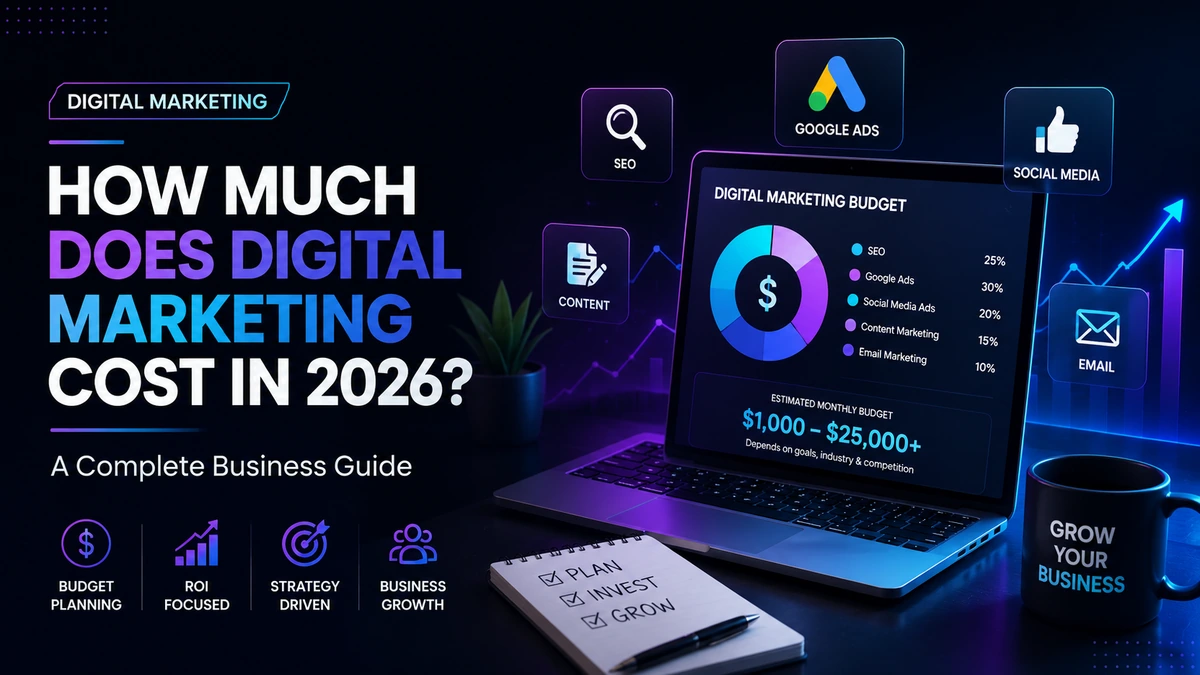
How Much Does Digital Marketing Cost in 2026? A Complete Business Guide
Digital marketing costs vary more than almost any other business expense, because the number depends less on the channel and more on your goals, competition, and stage. Here's how to actually budget for it.
Read Article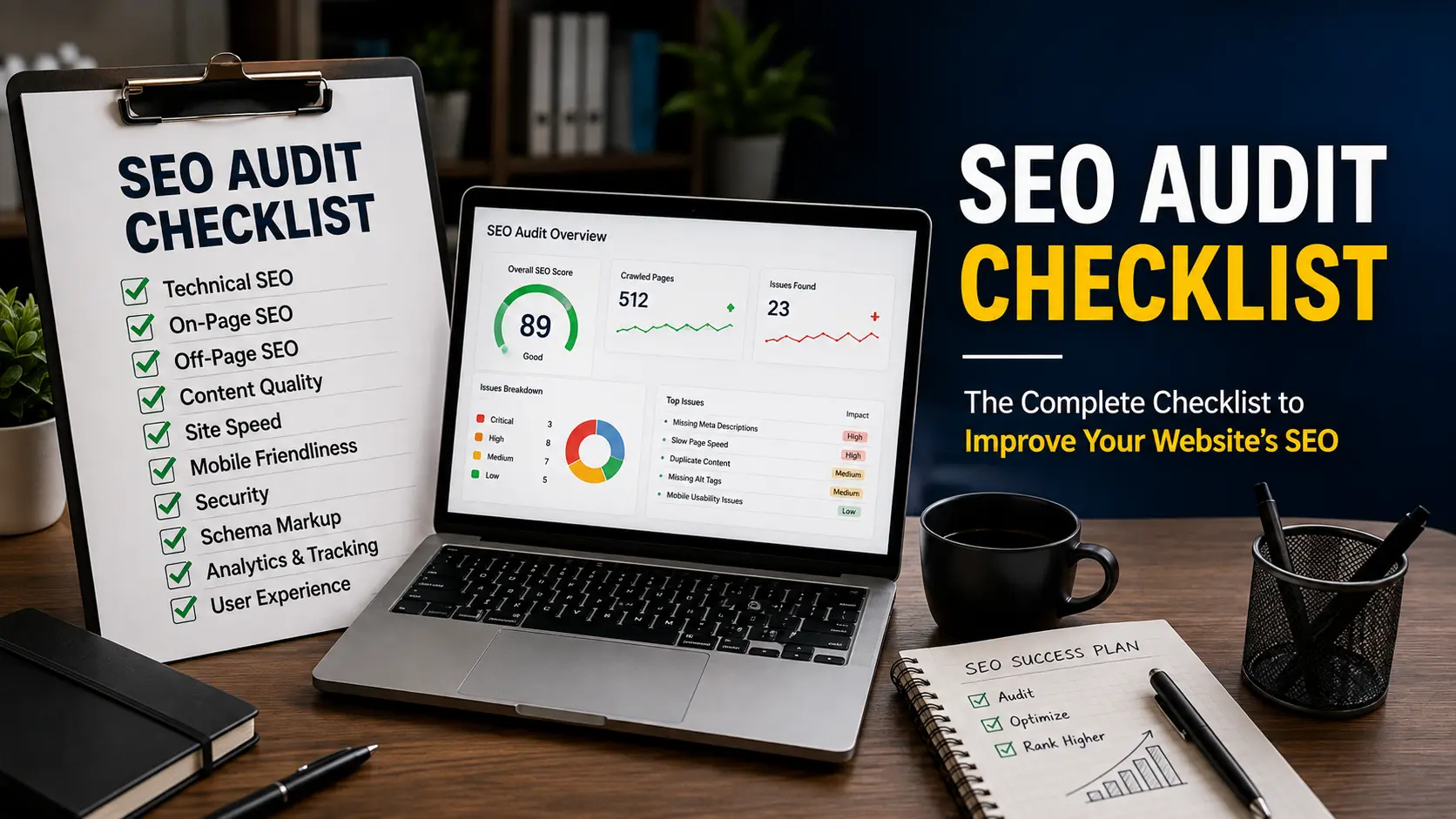
SEO
SEO Audit Checklist for Businesses: 25 Things to Check Before Hiring an Agency
Most businesses hire an SEO agency without knowing what's actually broken. A basic audit before that conversation changes the entire negotiation — here's exactly what to check.
Read Article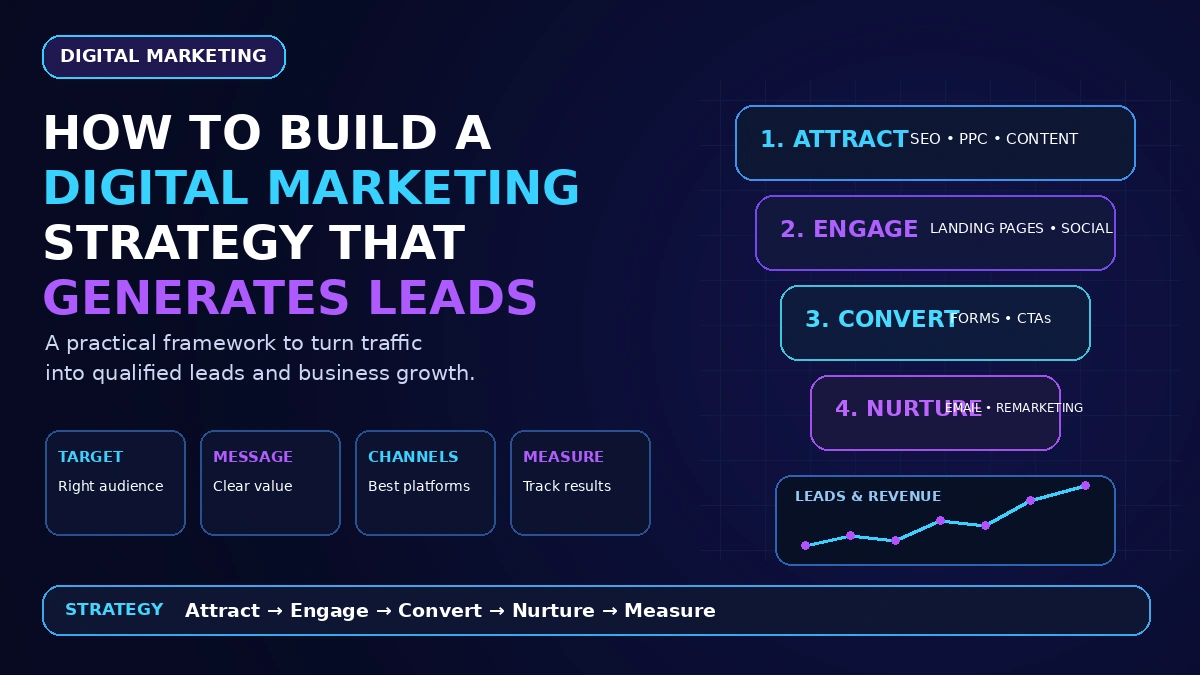
Digital Marketing Strategy
How to Build a Digital Marketing Strategy That Actually Generates Leads
A digital marketing strategy isn't a list of channels — it's a sequence of decisions. Here's the order that actually works, and where most strategies go wrong.
Read Article